

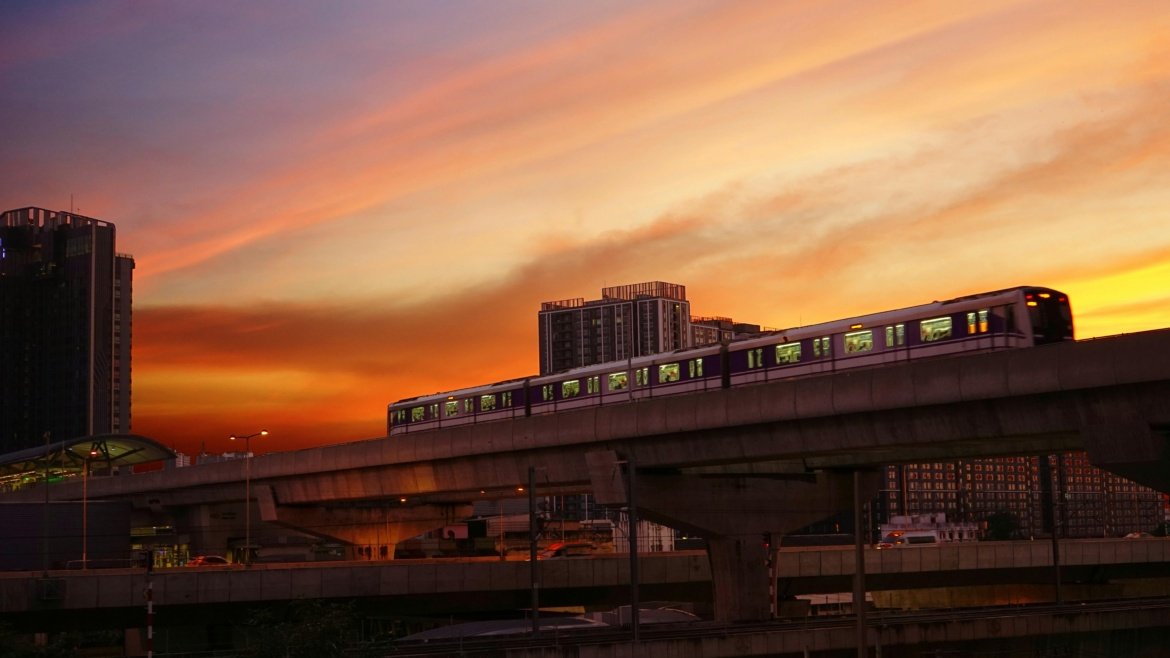
Bangkok is known as the heart of Southeast Asia. It is fast, international, and full of opportunity. It is also known for its intense weather. Hot. Humid. Relentless.
It is frustrating to look sharp in a good suit and feel confident indoors, only to step outside and immediately feel the heat wrap around you. In this article, we outline the best fabrics for the humid Bangkok heat and how you can handle the humidity while still looking smart in your new suit from Rajawongse Clothier.
We see it all the time. A client arrives from London or New York asking for a “proper” suit. In many minds, proper means heavy British wool. Thick cloth. Dense weave. Something that feels substantial in the hand.
In Bangkok, that approach backfires.
Heavy wool traps heat. It holds moisture. Within minutes, the fabric loses its structure and your silhouette softens. Instead of looking composed, you look uncomfortable. And comfort always shows.
The Secret Is in the Weave, Not the Weight
Many assume tropical wool is simply thinner wool. That is not accurate. Thin fabric alone does not equal quality. Cheap lightweight cloth can look limp and lifeless.
The real solution lies in high-twist tropical wool, often referred to as Fresco.
Fresco uses tightly twisted yarns woven in an open structure. Think of it like airflow built into the fabric. The open weave allows heat to escape and air to circulate. The high-twist yarn gives the cloth resilience. It snaps back into shape. It keeps a clean crease. It resists wrinkling far better than most winter wools.
A well-made tropical wool suit holds its shape even in humidity. That is the difference. It breathes without sacrificing structure.
At Rajawongse Clothier, this is one of the first conversations we have with clients living or working in Thailand. Fabric choice is not about tradition. It is about the environment.
Structure Matters: The Unlined Jacket
Fabric is only half the story. Construction is the other half.
A fully lined Western suit might feel luxurious in cooler climates. In Bangkok, it feels like an extra layer you do not need. Full lining blocks airflow. It holds heat against your body.
A half-lined or quarter-lined jacket allows the back panels to breathe. The front remains structured and properly canvassed, so the suit keeps its form. The result is lighter. Cooler. More natural in movement.
This type of construction requires precision. The interior finishing must be clean and refined since more of it is visible. That is craftsmanship, not compromise.
The Verdict
When you step out of your car for a meeting on Sukhumvit or enter an embassy event, the goal is simple. You want to look calm. You want to look collected. You want to look in control.
Heavy wool might signal tradition in London. In Bangkok, it signals discomfort.
Trust the weave. Let the fabric work with the climate, not against it.
FAQ: Tropical Tailoring
Q: Will a tropical wool suit wear out faster than a heavier one?
A: Not necessarily. Durability comes from fiber quality, not weight alone. A well-made Super 110s tropical wool can be tougher than a delicate Super 150s winter cloth. High-twist yarns are naturally resilient and resist snagging, which makes them excellent for daily wear.
Q: I like linen but dislike wrinkles. Is there a middle option?
A: Yes. A wool-linen-silk blend offers breathability and texture with better drape and recovery. You get a relaxed look without appearing rumpled.
Q: Will an unlined jacket be see-through?
A: No. The front panels remain structured and lined. Only the back lining is reduced. Your shirt will not show through under normal conditions.