Presidential events are different from most formal occasions. They are not about personal style in the usual sense, and they are not opportunities to experiment or make a visual impression. These events carry weight, history, and protocol, and the way you dress becomes part of that setting whether you intend it to or not.
From a tailor’s perspective, the goal is not to stand out, but to belong seamlessly in the room. The suit should feel correct the moment you step into the space, not memorable for the wrong reasons. When done well, no one notices the clothes first. They notice the composure of the person wearing them.
At Rajawongse Clothier, clients preparing for presidential events often arrive with a similar concern. They want to look appropriate, respectful, and assured, without feeling stiff or overly dressed. That balance matters more than trend or personal flair.
Understanding the setting before choosing the suit
Every presidential event comes with layers of context. Time of day, cultural expectations, level of formality, and the role you are attending in all influence what feels right. A daytime ceremony carries a different tone from an evening reception. A diplomatic event differs from a state dinner.
The suit should reflect that awareness. Conservative choices tend to serve best in these settings, not from fear, but from understanding that the occasion itself takes priority over individual expression.
Suit colors that belong in presidential spaces
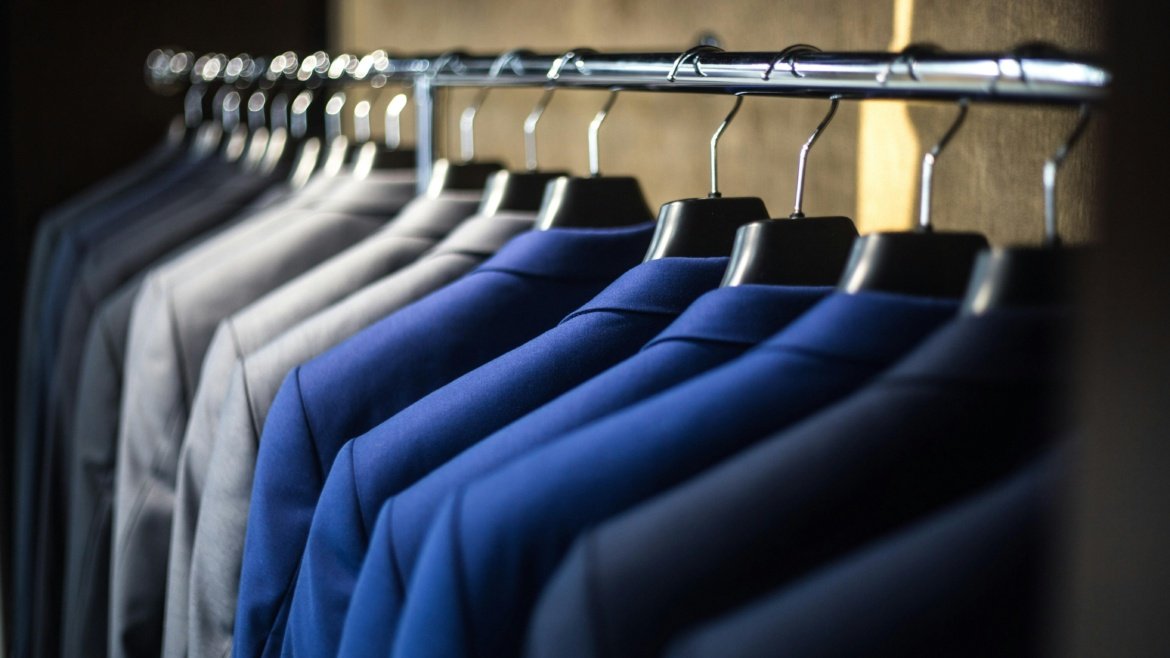
Dark, grounded colors remain the most appropriate choice. Navy, deep charcoal, and midnight blue sit comfortably across cultures and lighting conditions. These tones carry authority without visual noise.
Color consistency matters. Loud pinstripes, high-contrast checks, or fashion-forward shades pull attention away from the moment. In presidential settings, subtlety reads as confidence.
Fit as a sign of discipline and respect
Fit carries more meaning than people often realize. A well-fitted suit communicates care and preparation. Sleeves that fall cleanly, shoulders that sit naturally, and trousers that move smoothly all contribute to a composed presence.
Overly slim or aggressively tailored silhouettes can feel out of place. Slightly conservative proportions tend to feel more appropriate, allowing the suit to support posture rather than demand attention.
Shirt and tie choices that stay timeless
White shirts remain the safest and most reliable option, especially for formal or televised events. Soft light blue works well for daytime appearances. Texture should stay minimal, as flash photography exaggerates surface details.
Ties should feel understated and intentional. Solid colors or very subtle patterns in navy, burgundy, deep green, or muted gold work consistently. The tie should frame the face, not distract from it.
Fabric choices for long ceremonies and formal settings
Presidential events often involve extended periods of standing, waiting, and formal movement. Fabric choice matters for both comfort and appearance. Fine wool holds structure through long hours and adapts well to changes in temperature.
Blends with silk add depth without excessive shine. Breathability keeps the suit looking composed rather than fatigued by the end of the event.
Shoes and accessories kept deliberately minimal
Shoes should remain classic. Black or dark brown leather, well-polished but not overly glossy, feels appropriate. Oxfords remain the preferred option for formal settings.
Accessories should stay restrained. A simple watch, discreet cufflinks, and a neatly folded pocket square are enough. Anything that draws attention to itself risks feeling out of place.
Cultural awareness in presidential dressing
Presidential events often involve international audiences. Small details carry meaning across cultures. Lapel width, tie color, sock choice, and even shirt tone can signal awareness or carelessness.
From a tailor’s point of view, advising on these details is part of the responsibility. Dressing well for a presidential event includes respecting the cultural context of the occasion.
Dressing for the role you represent
In many cases, you are not attending as an individual, but as a representative of an organization, a country, or a professional role. The suit should reflect that responsibility.
Personal style steps back. Presence steps forward.
A tailor’s closing thought on presidential dressing
Presidential events call for restraint, clarity, and respect. The best-dressed individuals in these rooms are rarely the most noticeable. Their clothing supports how they stand, speak, and move, without asking for attention.
Where preparation meets presence
Dressing for a presidential event is not about following a checklist. It is about understanding context, responsibility, and how clothing supports your role in the room. At Rajawongse Clothier, tailoring for these occasions begins with listening.
The right suit should feel settled the moment you put it on. It should allow you to focus on the moment, the people, and the purpose of the event, rather than on how you look.
When a suit fits the occasion as naturally as it fits the body, confidence follows.